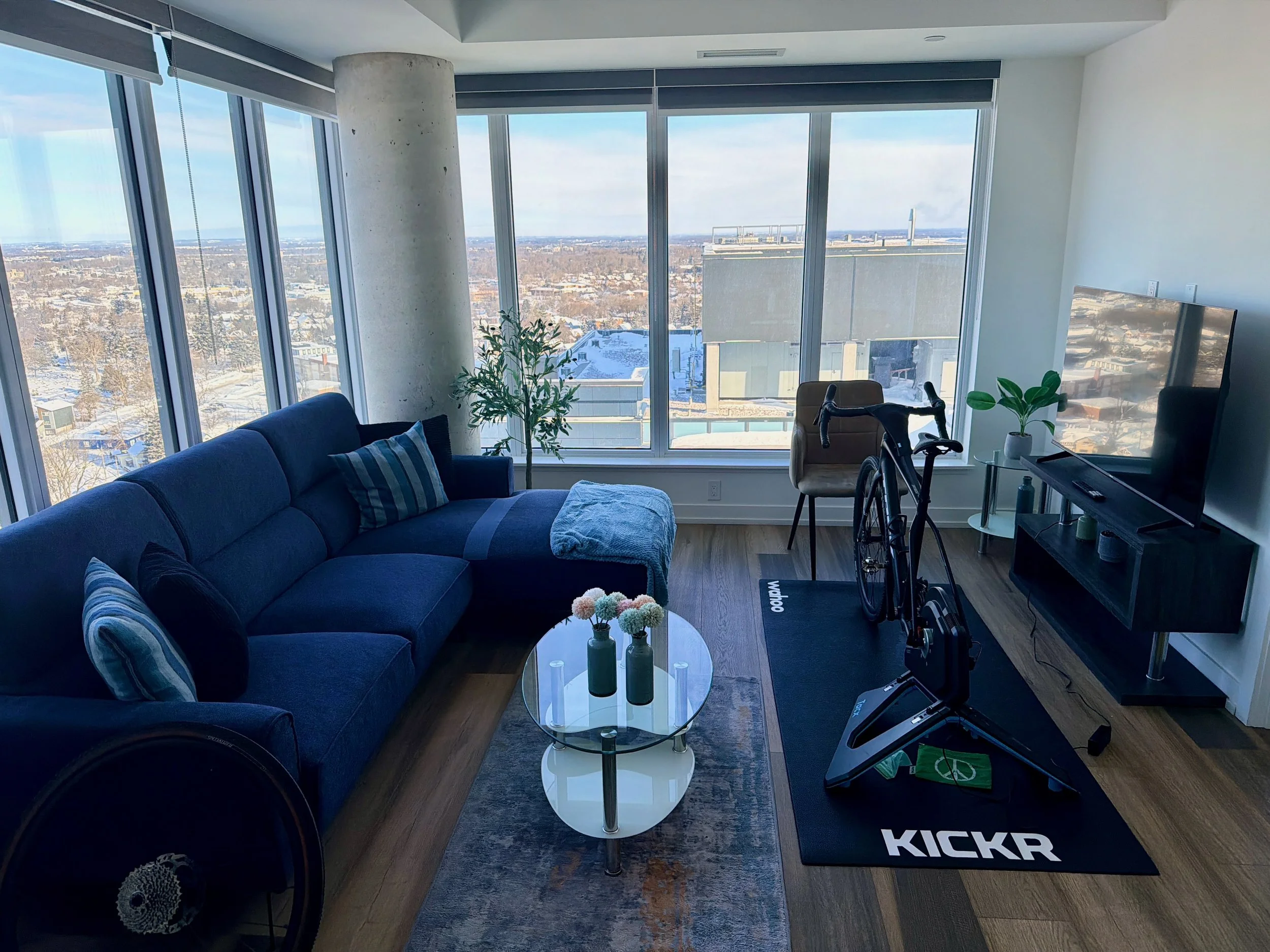
A Dark Trek
Referencing the Trek Domane — often nicknamed the “black workhorse” — is a useful way to frame equipment selection for winter training. The Domane’s relaxed geometry, compliance-focused frame and reliable mounting options make it a strong all‑road platform that performs well both outdoors and on a smart trainer.
Key points to consider for winter indoor training with a bike like the Domane:
Bike choice matters, but compatibility and comfort matter more. A bike you trust and ride regularly (like a Domane) will keep you consistent on the trainer because fit, pedal stroke and bike handling are already dialled in.
Smart trainer integration is essential. Ensure your trainer and the Domane are compatible with your drivetrain, axle standard, and tire or direct‑mount setup. If using a wheel‑on trainer, use a winter or trainer tyre to reduce heat and wear.
Power accuracy and calibration: Use a trainer that reports reliable power or pair it with a power meter on the bike. Regularly calibrate or perform spindown procedures to keep data trustworthy for structured workouts.
Data and software: Choose training software that matches your goals — structured intervals, ERG mode for controlled efforts, or simulated routes to keep sessions engaging during long winter nights.
Heat management and cooling: Even in winter, indoor sessions generate a lot of heat. Position fans to protect your performance and limit sweat damage to the bike’s bearings and finish.
Maintenance and preservation: Indoor miles can concentrate wear in different places (rear hub, chain, cassette). Clean and lubricate more frequently and inspect seals and bearings after the indoor season.
Comfort and ergonomics: Use a proper trainer block, towel, and dedicated saddle cover if needed. Consider indoor‑specific bar tape or gloves for longer sessions.
Mental strategies: Nighttime winter training is as much psychological as physical. Structured plans, varied workouts, virtual group rides and short, quality sessions help maintain motivation through “darkness.”
Safety and backup: Keep a light and reflective stuff nearby for any short outdoor commutes to/from indoor sessions, and have tools and spares for quick trainer swaps or drivetrain fixes.
In short: the black Trek Domane is a smart choice when paired with an appropriate smart trainer, but the real gains come from correct setup, consistent calibration, targeted workouts, and attention to cooling and maintenance. Those elements together make indoor winter training effective even in Canada’s long, dark months.
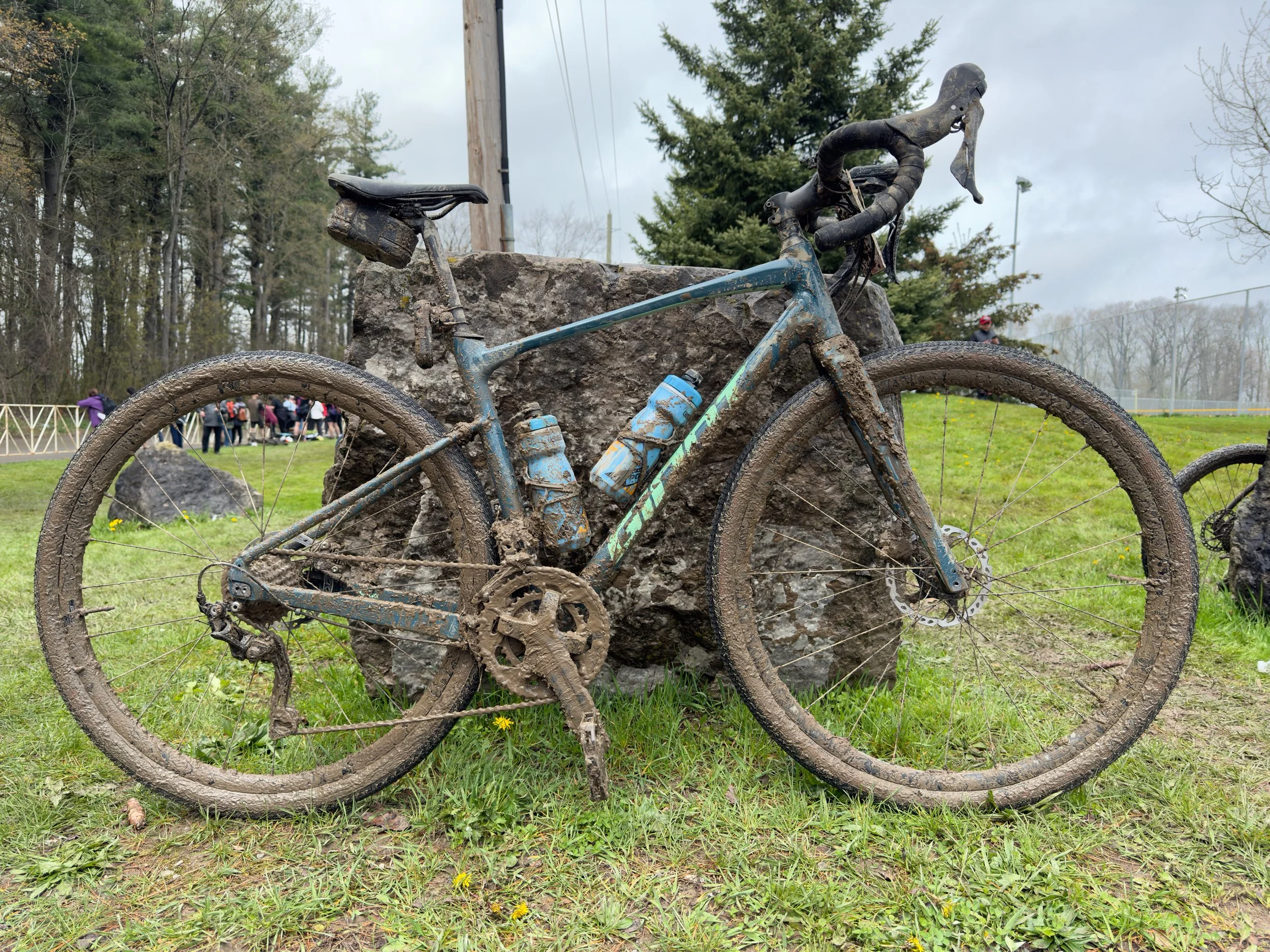
Green is Good
P2A 2024 — First Race: How Grit, a Love of Gravel, and Persistence Changed My Fitness
The P2A 2024 was my first race that mattered — not because of podiums or PRs, but because it marked a shift in how I move, train, and think about fitness. Leading into that day, I was riding a lot, but mostly comfortably: familiar routes, predictable effort, and the pleasant bubble of recreational fitness. What changed was not one long ride or a single breakthrough workout. It was three things converging: grit, a genuine love of gravel, and a steady, stubborn persistence.
Grit: choosing the uncomfortable Grit showed up in the small decisions. Getting out when it’s wet and muddy. Riding the technical descent again after crashing last week. Doing thirty minutes of threshold intervals when every part of me asked for easy spinning. Those choices didn’t create overnight miracles. They accumulated micro-adaptations — tougher nerves, faster recovery, and a higher ceiling for sustained pain. On race day, that translated into a willingness to stay in the hurt zone longer and to keep making forward progress when others eased off.
The love of gravel: training that broadened my engine Switching more of my miles to gravel routes rewired my fitness. Gravel isn’t just harder; it’s different. It demands more engagement of stabilizers, short bursts of power to punch through loose sections, and constant cadence adjustments. The result was a broader aerobic base with better neuromuscular coordination. My climbs felt stronger because my core and upper body were working, braking and cornering skills improved, and muscular endurance became more resilient. Gravel taught me to ride unpredictable terrain at speed, which translated directly to race-day confidence.
Persistence: small, consistent inputs over time Persistence is the quiet gear behind every obvious gain. I stopped waiting for a perfect block of time and instead stacked consistent sessions — 2–3 focused hours on weekends, 45–75 minute targeted efforts during the week, and one long, slow recovery ride. I tracked progress without fetishizing each session: power numbers nudged upward, recovery heart rate slowly fell, and the toughest rides became marginally easier. That steady consistency allowed the body to adapt without burnout.
What actually changed in my fitness
Aerobic capacity: Longer, consistent efforts and mixed-terrain riding increased my sustainable power. I could hold higher wattage for longer without blowing up.
Muscular endurance: Gravel’s repeated surges and technical demands built resilience in the legs, glutes, and core. Descents and punchy off-camber sections no longer sapped me.
Recovery and durability: Frequent exposure to harder efforts and rough terrain improved recovery markers. I rode multiple hard days without significant performance decay.
Mental toughness: The accumulated discomfort from gritty training sessions made race-intensity efforts feel more manageable. I learned to breathe, settle, and push when it counted.
Race day reality On the P2A 2024 start line I felt prepared in a practical, unsexy way. There was no single moment of revelation — just the recognition that training choices had stacked in my favour. Technical sections that once cost me time were opportunities to gain a few seconds. When the group sped up on a rolling sector, I could respond without a panic-induced collapse. I finished with a performance that reflected months of incremental work, not a last-minute taper miracle.
Takeaways for other riders
Embrace the uncomfortable: choose sessions that challenge both body and mind.
Ride varied terrain: gravel builds attributes that smooth roads won’t.
Be consistent, not perfect: small daily or weekly gains compound into real fitness shifts.
Measure progress simply: look at how you feel on harder rides, recovery trends, and how you handle repeated efforts.
The P2A 2024 wasn’t a final destination — it was a checkpoint. It showed me that grit, a love for the terrain that keeps you engaged, and steady persistence change fitness more reliably than spikes of intensity or one-off hero rides. If you want lasting gains, choose the awkward, enjoy the dirt, and keep showing up.
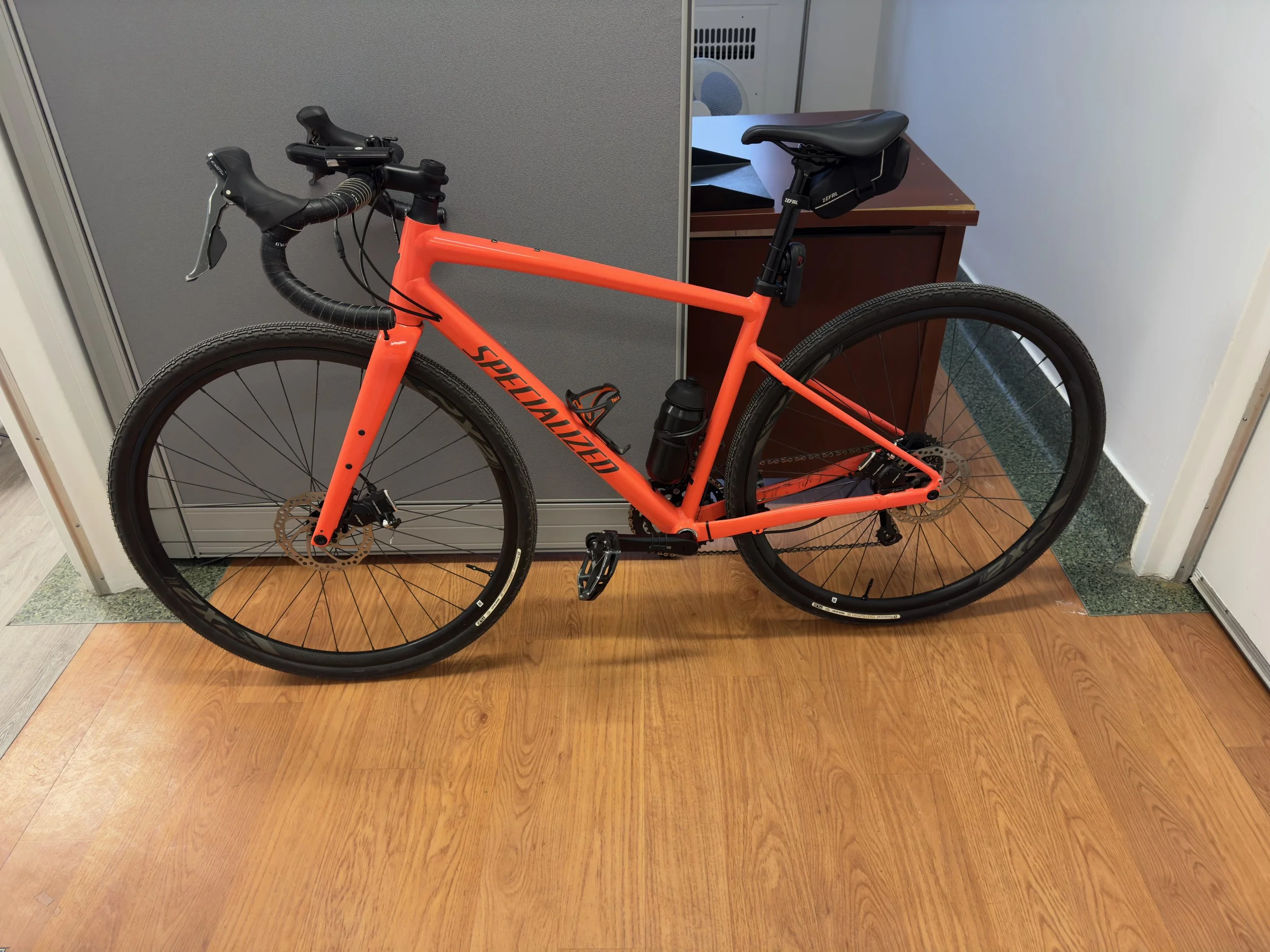
Orange of Change
Humble beginnings — in my early 40s I didn’t even know what a gravel bike was. All I knew was I wanted a dropbar bike. These days, even with all the YouTube videos, posts and blogs, it still isn’t obvious at a personal level whether a gravel bike is right for you. What most riders need is one-on-one coaching on equipment selection — exactly the kind of guidance I wish I’d had.
For me it started with an Orange bike. I didn’t even recognise it as a gravel bike at the time — it just felt like the right machine. That bike kicked off a major fitness journey: longer rides, new routes, less time worrying about which tyre to buy and more time building endurance and confidence. The gear choices I made early on mattered: frame fit, tyre clearance and tread, gearing for mixed terrain, and bar shape for comfort all shaped how much I rode and how much I enjoyed it.
If you’re wondering whether gravel is for you, ask yourself:
Do you want the versatility to ride pavement, packed dirt and light singletrack without switching bikes?
Do you value a more upright, comfortable position for long days in the saddle, yet still want the speed and handling of drop bars?
Are you curious about bikepacking, mixed-surface events or longer unsupported rides?
Do you need a bike that tolerates wider tyres, rack mounts or more durable wheels?
Those questions point toward gravel, but answers are personal. Body dimensions, flexibility, local terrain, typical ride length, and your training goals all change which gravel bike — or other dropbar option — will work best.
That’s where personalised coaching matters. At Velo Health | Gear. Grit. Gravel. we help you:
Evaluate your riding goals and local terrain
Match frame geometry and fit to your body and posture
Choose tyre width, tread and pressure for comfort and traction
Select gearing and wheelset for climbing, speed and durability
Configure cockpit and contact points for longer rides without pain
A bike is more than a label. The right setup turns curiosity into consistency. If you’re in your 30s, 40s or beyond and thinking about a dropbar bike, an hour of targeted coaching can save you months of trial-and-error, frustration and wasted money — and get you out riding sooner.
I started with an Orange and it changed my life. You don’t need to figure it all out on your own. If you want practical, unbiased advice to find the bike that actually fits your goals and body, we can help you make the right choice and enjoy the ride.
It All Begins Here